Travel Tips
Vietnam's long, narrow shape means the weather varies enormously by region. Here's how to pick the right season for your trip.
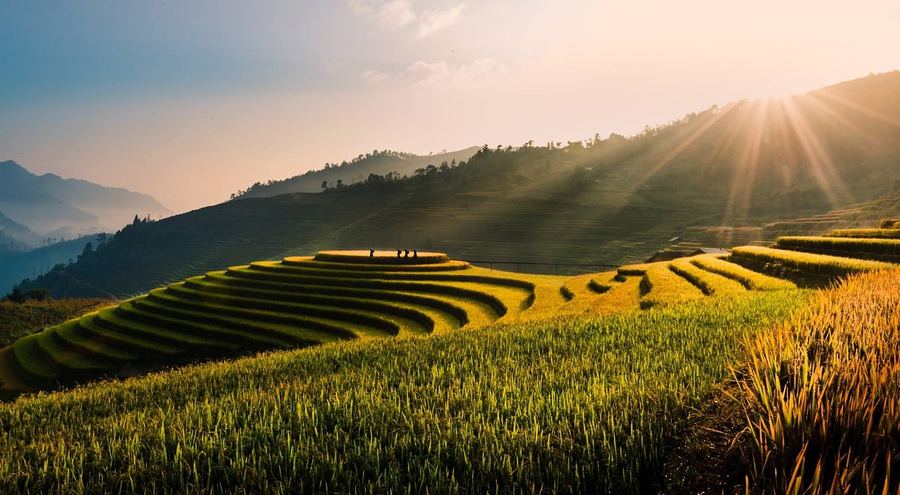
Vietnam stretches over 1,600 km from north to south, so there is no single "best month" that suits the entire country at once - the right time to visit depends heavily on which regions are on your itinerary.
The north has four distinct seasons. October to December brings cool, dry weather and clear skies - ideal for Ha Long Bay cruises and trekking around Sapa. March and April are similarly pleasant, just before the summer humidity arrives. Summer (June-August) is hot and wet with occasional typhoons along the coast.
The central coast is driest from February to August, making this the best window for Hoi An's beaches and the Hai Van Pass. September to January brings the rainy season and occasional typhoons, so plan around this if your trip is centered here.
The south has just two seasons: dry (December to April) and wet (May to November). Even in the wet season, rain typically falls in short, heavy afternoon bursts rather than all day, so it rarely disrupts a full day of sightseeing.
For a first trip covering the whole country, aim for February-April or October-December, when most regions see manageable weather at the same time. If you can only travel in summer, focus your itinerary on the north and highlands to avoid the wettest southern months.
Ready to put this into practice? Browse our guided tours or get in touch and we'll help you plan around it.
View Our Tours Contact Us